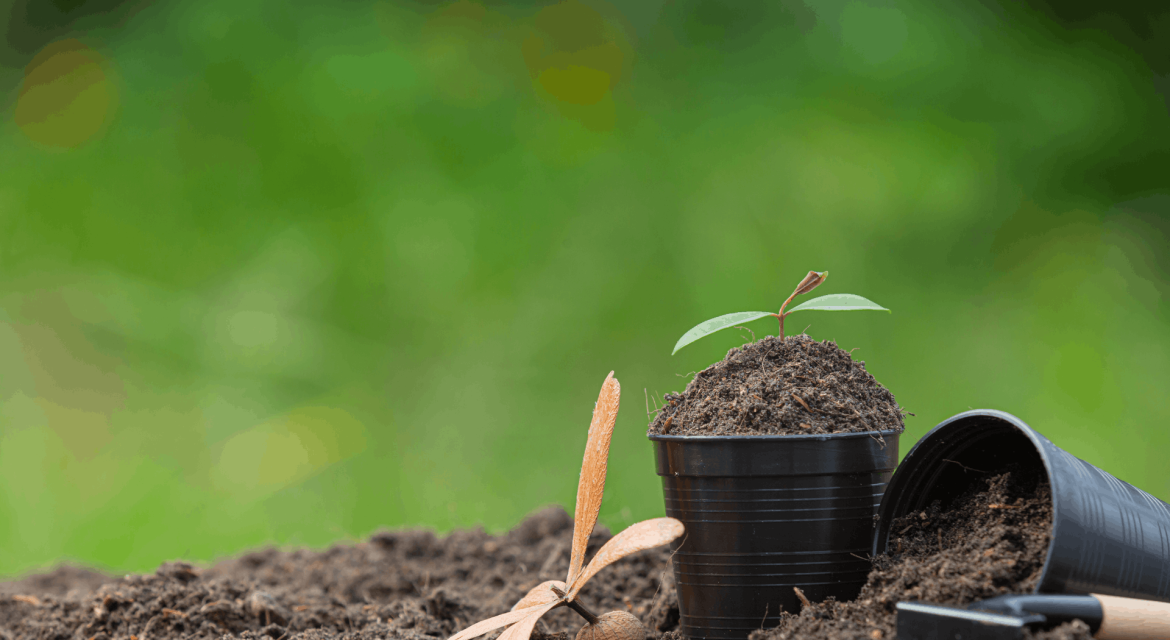
Modern agriculture is rapidly evolving as farmers seek sustainable and efficient ways to improve crop production while conserving natural resources. With increasing concerns about soil degradation, water scarcity, and environmental sustainability, growers are turning to innovative growing mediums that support healthy plant development.
One of the most effective solutions gaining popularity worldwide is coco peat for agriculture. Derived from coconut husks, coco peat has become a preferred growing medium for farmers, greenhouse operators, nurseries, and hydroponic growers due to its exceptional water retention, aeration, and eco-friendly properties.
As global demand for sustainable farming practices continues to grow, coco peat is playing a significant role in helping agricultural businesses achieve higher productivity while reducing their environmental impact.
What Is Coco Peat?
Coco peat, also known as coir pith or coco coir dust, is a natural by-product obtained during the extraction of coir fibre from coconut husks. Traditionally considered agricultural waste, this material is now widely used as a growing medium because of its excellent physical and biological properties.
After processing, washing, drying, and compressing, coco peat is available in various forms such as:
- Coco peat blocks
- Coco peat briquettes
- Coco peat grow bags
- Coco peat discs
- Loose coco peat
Its lightweight nature and ability to retain moisture make it a valuable resource for modern farming systems.
Why Is Coco Peat for Agriculture Becoming So Popular?
The agricultural sector is increasingly adopting sustainable alternatives to conventional growing mediums. Coco peat provides a practical solution that enhances plant growth while supporting environmentally responsible farming practices.
Excellent Water Retention Capacity
One of the primary reasons farmers choose coco peat is its remarkable ability to hold water.
Coco peat can retain several times its weight in water, allowing plants to access moisture over extended periods. This reduces irrigation frequency and helps conserve valuable water resources.
Benefits include:
- Improved water efficiency
- Reduced drought stress
- Better moisture availability for crops
- Lower irrigation costs
Superior Aeration and Root Development
Healthy roots are essential for strong plant growth.
The porous structure of coco peat allows adequate air circulation around the root zone, preventing compaction and encouraging healthy root expansion.
Advantages include:
Improved oxygen availability
- Stronger root systems
- Faster plant establishment
- Enhanced nutrient absorption
- Benefits of Using Coco Peat for Agriculture
Improves Soil Structure
When mixed with soil, coco peat enhances soil texture and structure.
It helps:
- Increase porosity
- Improve drainage
- Reduce soil compaction
- Enhance microbial activity
These improvements create an ideal environment for root growth and overall plant health.
Supports Sustainable Farming
Unlike peat moss, which is harvested from environmentally sensitive peatlands, coco peat is produced from renewable coconut by-products.
This makes it:
- Biodegradable
- Renewable
- Eco-friendly
- Sustainable
Farmers looking to adopt greener agricultural practices often prefer coco peat because of its minimal environmental impact.
Enhances Nutrient Retention
Coco peat possesses excellent cation exchange capacity (CEC), which helps retain and release nutrients efficiently.
This allows plants to absorb essential nutrients more effectively, contributing to healthier growth and improved yields.
Reduces Fertiliser Waste
Since nutrients remain available within the growing medium for longer periods, fertiliser losses are reduced.
This helps farmers:
- Improve nutrient efficiency
- Reduce input costs
- Minimise environmental runoff
Applications of Coco Peat in Modern Agriculture
Greenhouse Farming
Greenhouse growers widely use coco peat because it provides a controlled growing environment that supports consistent crop production.
Common greenhouse crops include:
- Tomatoes
- Cucumbers
- Capsicum
- Strawberries
- Leafy greens
Hydroponic Cultivation
Hydroponic farming relies heavily on growing mediums that provide root support while maintaining optimal moisture levels.
Coco peat offers:
- Stable root support
- Excellent water retention
- Proper aeration
- Consistent crop performance
Nursery and Seedling Production
Nurseries use coco peat to promote healthy seed germination and seedling development.
Benefits include:
- Uniform moisture distribution
- Faster germination rates
- Strong root formation
- Reduced transplant shock
Open Field Agriculture
Many farmers incorporate coco peat into field soils to improve water retention and soil fertility, particularly in sandy or degraded soils.
Coco Peat vs Traditional Growing Media
Coco Peat vs Soil
Compared to traditional soil, coco peat offers:
| Feature | Coco Peat | Soil |
| Water Retention | Excellent | Moderate |
| Aeration | High | Variable |
| Compaction Risk | Low | High |
| Sustainability | High | Moderate |
| Uniformity | Consistent | Variable |
Coco Peat vs Peat Moss
While both materials are popular growing mediums, coco peat has gained favour due to its sustainability advantages.
Coco peat is:
- Renewable
- Environmentally friendly
- More readily available
- Suitable for long-term agricultural use
How to Choose High-Quality Coco Peat
When sourcing coco peat, quality should be a top priority.
Consider:
Low EC Levels
Low electrical conductivity (EC) indicates reduced salt content, making the coco peat suitable for sensitive crops.
Proper Washing and Buffering
Well-processed coco peat undergoes thorough washing and buffering to ensure optimal growing conditions.
Consistent Quality
Reliable suppliers maintain consistent specifications regarding:
- Moisture content
- Expansion ratio
- Fibre percentage
- pH levels
Export Standards
For international buyers, choosing exporters who follow global quality standards ensures reliable performance and shipment consistency.
Why Global Farmers Prefer Indian Coco Peat
India is one of the world’s leading producers of coco peat products due to its abundant coconut resources and advanced manufacturing capabilities.
Indian suppliers offer:
- High-quality raw materials
- Modern processing facilities
- Competitive pricing
- Export-grade packaging
- Consistent product quality
As a result, Indian coco peat is widely used across agriculture, horticulture, landscaping, and hydroponic industries worldwide.
Final Words
As sustainable farming becomes increasingly important, coco peat for agriculture continues to gain recognition as a reliable and environmentally responsible growing medium. Its ability to improve water retention, enhance root development, support nutrient availability, and promote healthy plant growth makes it an invaluable resource for modern farming systems.
Whether used in greenhouses, hydroponics, nurseries, or open-field cultivation, coco peat provides long-term benefits that contribute to improved crop productivity and sustainable agricultural practices.
Get Premium Coco Peat for Your Agricultural Needs
Looking for high-quality coco peat products for agriculture, horticulture, or hydroponic farming? Contact our expert team at Mariah Coirs Export today to discuss your requirements and discover premium coco peat solutions tailored for global agricultural markets.
Frequently Asked Questions
1. What is coco peat used for in agriculture?
Coco peat is used to improve water retention, aeration, nutrient availability, and root development in agricultural and horticultural applications.
2. Is coco peat better than soil?
Coco peat offers superior water retention and aeration compared to many soil types, making it an excellent growing medium for various crops.
3. Can coco peat be used in hydroponics?
Yes. Coco peat is widely used in hydroponic systems because it provides excellent root support and moisture management.
4. Is coco peat environmentally friendly?
Yes. Coco peat is a renewable and biodegradable by-product of the coconut industry, making it an eco-friendly alternative to traditional growing media.
5. How long does coco peat last?
Depending on usage and growing conditions, coco peat can remain effective for several growing cycles before replacement is required.
6. Why do farmers prefer coco peat for agriculture?
Farmers prefer coco peat because it improves soil structure, conserves water, supports healthy root growth, and contributes to sustainable farming practices.
Related Blogs
- Coir Products Exporters: Delivering Sustainable Solutions to Global Markets
- Benefits of Coco Peat for Hydroponic Farming
- Coco Peat vs Soil: Which Growing Medium Is Better?
- How Coco Peat Improves Water Retention and Root Growth