Hydroponic farming is transforming the way food is produced around the world. As growers look for efficient methods to maximise yields while conserving resources, hydroponic systems have become an increasingly popular solution. By growing plants without soil and delivering nutrients directly to the roots, hydroponics offers greater control over plant development and resource utilisation.
However, the success of any hydroponic system depends heavily on the growing medium used. Among the various options available today, coco peat has emerged as one of the most reliable and sustainable choices. From commercial greenhouses to small-scale indoor farms, growers are discovering the significant benefits of using coco peat to support healthy crops and consistent production.
Why the Choice of Growing Medium Matters in Hydroponics
Unlike traditional farming, hydroponic systems rely on a growing medium to provide root support while ensuring the right balance of moisture, oxygen, and nutrient availability.
A poor-quality growing medium can lead to:
- Root diseases
- Inconsistent moisture levels
- Reduced nutrient uptake
- Slower plant growth
- Lower crop yields
The ideal growing medium should retain water effectively while still allowing sufficient airflow around the roots. This is where coco peat stands out.
How Coco Peat Supports Healthy Root Systems
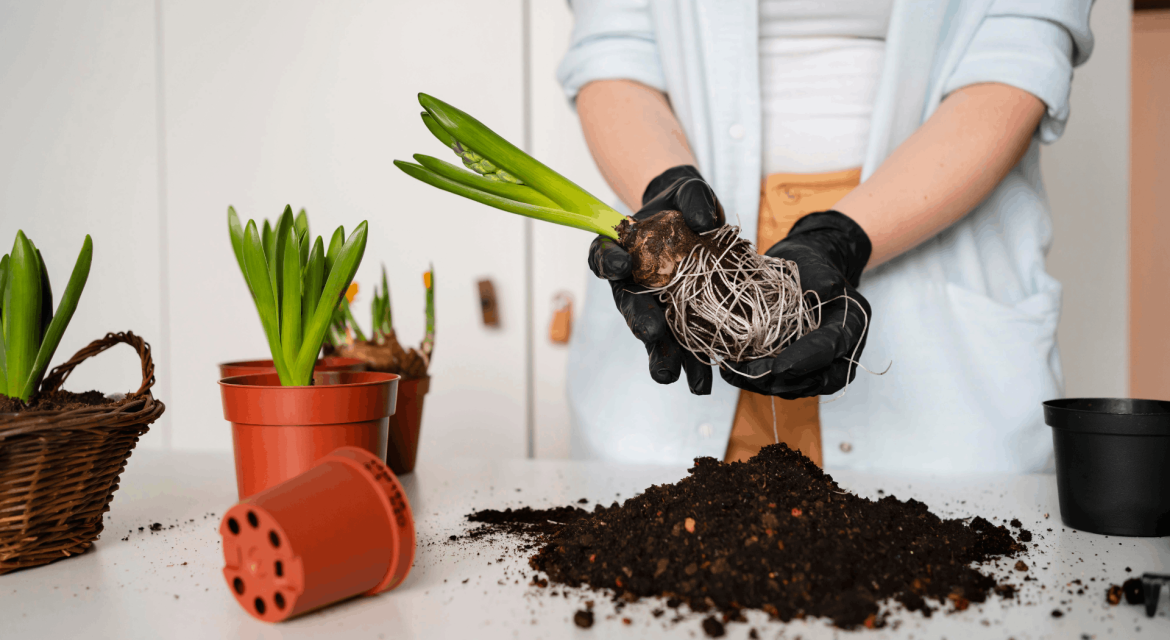
Strong roots are the foundation of productive plants. In hydroponic farming, root health directly influences nutrient absorption, growth rates, and overall crop performance.
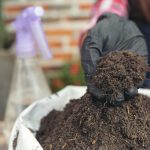
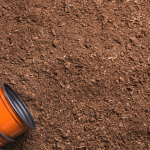
Coco peat possesses a naturally porous structure that creates an ideal environment for root development.
Key advantages include:
- Improved oxygen availability
- Enhanced root expansion
- Reduced risk of root suffocation
- Better nutrient uptake efficiency
When roots have access to both moisture and oxygen, plants can develop more vigorously and produce healthier yields.
Consistent Moisture Management for Better Crop Growth
One of the biggest challenges in hydroponic farming is maintaining consistent moisture levels.
Excess moisture can cause root rot, while insufficient moisture can stress plants and reduce productivity.
Coco peat helps address both issues by acting as a natural moisture reservoir. It absorbs water efficiently and releases it gradually as plants require it.
This creates a stable growing environment that supports:
- Uniform plant growth
- Reduced water stress
- Improved nutrient delivery
- Healthier crop development
For commercial growers, this consistency can contribute significantly to production efficiency.
Improved Nutrient Efficiency
Hydroponic growers invest heavily in nutrient solutions. Therefore, maximising nutrient utilisation is essential for profitability.
Coco peat has excellent cation exchange capacity (CEC), which enables it to retain essential nutrients and release them gradually to plant roots.
This offers several advantages:
- Reduced nutrient wastage
- Improved fertiliser efficiency
- Better nutrient availability
- More consistent plant growth
As a result, growers can achieve stronger crops while optimising input costs.
A Sustainable Alternative for Modern Agriculture
Environmental sustainability is becoming an important consideration across the agricultural sector.
Unlike synthetic growing media, coco peat is produced from coconut husks, a renewable by-product of the coconut industry. Rather than being discarded as waste, these materials are transformed into valuable agricultural resources.
This makes coco peat:
- Biodegradable
- Renewable
- Environmentally friendly
- Suitable for sustainable farming systems
Many hydroponic farms now choose coco peat as part of their commitment to reducing environmental impact while maintaining high productivity.
Suitable for a Wide Range of Hydroponic Crops
The versatility of coco peat is one of the reasons it has gained popularity among hydroponic growers worldwide.
It is commonly used for cultivating:
Vegetables
- Tomatoes
- Cucumbers
- Capsicum
- Lettuce
- Spinach
Fruits
- Strawberries
- Blueberries
- Melons
Herbs
- Basil
- Mint
- Coriander
- Parsley
Ornamental Plants
- Flowers
- Decorative plants
- Nursery stock
Its adaptability makes it suitable for both commercial and hobby farming applications.
Better Water Conservation in Hydroponic Systems
Water efficiency is a major advantage of hydroponics, and coco peat further enhances this benefit.
By retaining moisture effectively, coco peat reduces water loss and helps maintain optimal hydration levels for plants.
Benefits include:
- Lower irrigation requirements
- Reduced water wastage
- Improved resource efficiency
- More sustainable crop production
In regions facing water scarcity, this can be particularly valuable.
Easier Handling and Transportation
Hydroponic growers often prefer coco peat because it is lightweight and easy to handle.
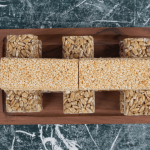
Compressed coco peat products such as:
- Coco peat blocks
- Briquettes
- Grow bags
are convenient to transport and store. Upon hydration, they expand significantly, providing a cost-effective solution for growers of all sizes.
Why Commercial Growers Continue to Choose Coco Peat
The growing popularity of hydroponic farming has led to increased demand for reliable growing media. Commercial operations require products that deliver consistent performance across multiple growing cycles.
Coco peat meets these expectations by offering:
- Stable physical structure
- Excellent root support
- Consistent moisture retention
- Sustainable sourcing
- Reliable crop performance
These qualities have made it one of the most trusted growing media in modern hydroponic agriculture.
The Future of Coco Peat in Hydroponics
As global food demand continues to rise, hydroponic farming is expected to play a larger role in agricultural production. Growers will increasingly seek sustainable and efficient growing solutions that support productivity while minimising environmental impact.
Coco peat is well-positioned to remain a key component of this transition due to its renewable nature, exceptional growing characteristics, and proven performance across a wide range of crops.
For hydroponic farms looking to improve crop quality, optimise resource use, and support sustainable practices, coco peat offers a dependable solution for long-term success.
Final Words
The benefits of coco peat for hydroponic farming extend far beyond simple root support. Its ability to balance moisture retention, aeration, nutrient availability, and sustainability makes it one of the most effective growing media available today.
Whether used in greenhouse cultivation, commercial hydroponics, vertical farming, or nursery production, coco peat helps growers create ideal conditions for healthier plants and higher yields.
Grow Better with Premium Coco Peat Solutions
Looking for high-quality coco peat products for hydroponic farming? Mariah Coirs Export supplies premium coco peat blocks, grow bags, and customised solutions designed to support healthy root development, efficient water management, and sustainable crop production. Contact our coir export team today to discuss your requirements and receive a tailored quotation.
Frequently Asked Questions
1. Why is coco peat widely used in hydroponic farming?
Coco peat provides excellent moisture retention, aeration, and root support, making it ideal for hydroponic crop cultivation.
2. Does coco peat improve plant growth in hydroponics?
Yes. Healthy root development, improved nutrient availability, and balanced moisture levels contribute to stronger plant growth and better yields.
3. Is coco peat suitable for commercial hydroponic farms?
Absolutely. Many commercial growers use coco peat because of its consistency, sustainability, and proven performance across various crops.
4. Which crops grow well in coco peat?
Vegetables, fruits, herbs, flowers, and ornamental plants can all be successfully grown using coco peat in hydroponic systems.
5. Is coco peat environmentally friendly?
Yes. Coco peat is a renewable and biodegradable growing medium produced from coconut husk by-products.
6. Can coco peat be reused in hydroponic farming?
Depending on crop type and growing conditions, coco peat can often be reused after proper treatment and sterilisation.
Related Blogs
- Coir Products Exporters: Delivering Sustainable Solutions to Global Markets
- What Is Coco Peat and Why Is It Used in Modern Agriculture?
- Coco Peat vs Soil: Which Growing Medium Is Better?
- How Coco Peat Improves Water Retention and Root Growth