Every successful crop starts with a strong foundation. While factors such as sunlight, irrigation, and nutrients play a vital role in plant growth, the growing medium ultimately determines how effectively plants access these resources. For decades, soil has been the traditional choice for cultivation. However, modern farming practices are increasingly introducing alternatives that offer greater consistency and efficiency.
One such option is the coco peat growing medium, which has gained significant popularity among commercial growers, greenhouse operators, hydroponic farmers, and horticultural businesses. As agricultural practices evolve, many growers are asking an important question: Is coco peat better than soil?
The answer depends on several factors, including crop type, cultivation method, water availability, and sustainability goals. Understanding the strengths and limitations of both options can help growers make informed decisions.
Understanding the Basics
Before comparing the two, it is important to understand what each growing medium offers.
What Is Soil?
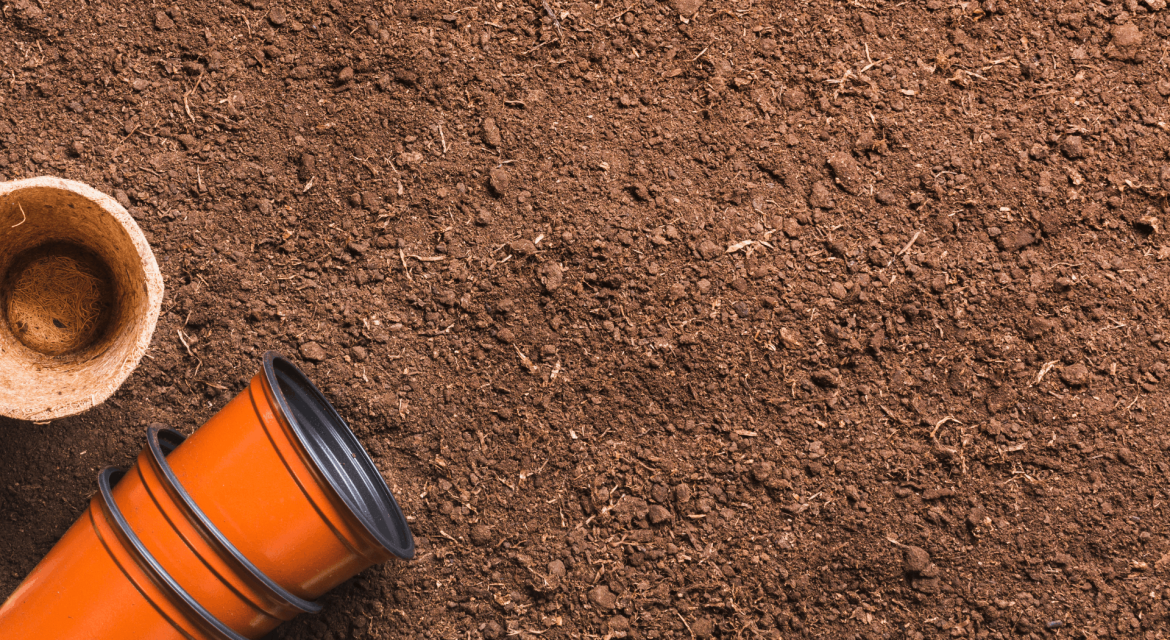
Soil is a natural mixture of minerals, organic matter, microorganisms, water, and air. It provides structural support and serves as a reservoir for nutrients required by plants.
The quality of soil can vary significantly depending on:
- Location
- Climate
- Organic matter content
- Soil texture
- Drainage characteristics
What Is Coco Peat?
Coco peat is derived from coconut husks during the extraction of coir fibre. Once processed, washed, and compressed, it becomes a lightweight growing medium known for its exceptional water retention and aeration properties.
Unlike soil, coco peat offers a highly consistent structure and composition, making it attractive for controlled agricultural environments.
Water Retention: Which Performs Better?
Water management is one of the biggest challenges in agriculture.
Traditional soil can either drain too quickly or retain excessive moisture, depending on its composition. Sandy soils often struggle to hold water, while clay soils may become waterlogged.
A coco peat growing medium excels in this area because it can retain several times its weight in water while maintaining adequate airflow.
Benefits of Coco Peat for Water Management
- Stores moisture efficiently
- Reduces irrigation frequency
- Minimises water stress
- Supports uniform crop growth
For regions experiencing water scarcity, coco peat often provides a significant advantage over conventional soil.
Aeration and Root Development
Healthy roots require access to oxygen. Poor aeration can limit root growth and reduce nutrient uptake.
Soil Challenges
Over time, soil can become compacted due to:
- Heavy irrigation
- Foot traffic
- Machinery use
- Natural settling
Compacted soil restricts airflow and hinders root development.
Coco Peat Advantages
The fibrous and porous structure of coco peat creates air pockets throughout the growing medium.
This results in:
- Better oxygen availability
- Stronger root systems
- Faster plant establishment
- Improved nutrient absorption
For crops requiring vigorous root growth, coco peat often outperforms traditional soil.
Nutrient Management Comparison
One of soil’s greatest strengths is its natural nutrient content. Healthy soils contain essential minerals and microbial activity that support plant growth.
However, soil quality varies greatly and often requires amendments to maintain productivity.
Soil
Pros:
- Contains natural nutrients
- Supports beneficial microorganisms
- Suitable for long-term cultivation
Cons:
- Nutrient levels can be inconsistent
- Requires regular soil testing
- Susceptible to nutrient depletion
Coco Peat
Pros:
- Excellent nutrient retention
- Consistent performance
- Easy nutrient management
Cons:
- Requires external nutrient supplementation
Because coco peat is largely inert, growers can precisely control nutrient delivery, which is particularly valuable in hydroponic and greenhouse systems.
Disease and Pest Resistance
One major challenge in traditional farming is managing soil-borne diseases and pests.
Common issues include:
- Fungal infections
- Nematodes
- Root diseases
- Weed growth
These problems can reduce crop yields and increase production costs.
Why Coco Peat Offers an Advantage
Properly processed coco peat is generally free from many soil-borne pathogens and weed seeds.
Benefits include:
- Reduced disease risk
- Cleaner growing environment
- Lower dependence on chemical treatments
- Improved crop health
This makes coco peat particularly attractive for intensive cultivation systems.
Environmental Sustainability
Sustainability is becoming a major factor in agricultural decision-making.
Soil
While natural soil is an essential resource, intensive farming practices can lead to:
- Erosion
- Nutrient depletion
- Compaction
- Loss of organic matter
Restoring degraded soil often requires significant time and resources.
Coco Peat
Coco peat is produced from coconut husk by-products that would otherwise go to waste.
Its advantages include:
- Renewable source
- Biodegradable material
- Reduced agricultural waste
- Lower environmental impact
For growers seeking eco-friendly solutions, coco peat aligns well with sustainable farming objectives.
Performance in Different Growing Systems
The effectiveness of a growing medium often depends on the cultivation method being used.
Open Field Farming
Traditional soil remains the primary choice for large-scale field agriculture because of its availability and cost-effectiveness.
Greenhouse Cultivation
Many greenhouse growers prefer coco peat because it provides greater consistency and control.
Hydroponic Farming
Hydroponic systems rely heavily on inert growing media.
In this environment, a coco peat growing medium offers:
- Root support
- Moisture retention
- Aeration
- Nutrient management
making it one of the most popular hydroponic substrates worldwide.
Coco Peat vs Soil: Quick Comparison
| Feature | Coco Peat | Soil |
| Water Retention | Excellent | Variable |
| Aeration | High | Moderate |
| Root Development | Excellent | Good |
| Nutrient Content | Requires supplementation | Naturally present |
| Disease Risk | Lower | Higher |
| Consistency | High | Variable |
| Sustainability | Excellent | Depends on management |
| Hydroponic Compatibility | Excellent | Not suitable |
Which Growing Medium Should You Choose?
The right choice depends on your agricultural goals.
Choose soil if:
- You operate traditional field farms.
- You have fertile, healthy soil.
- Large-scale land cultivation is your primary focus.
Choose coco peat if:
- You want better water efficiency.
- You need consistent growing conditions.
- You operate greenhouses or hydroponic systems.
- Sustainability is a priority.
- You want greater control over crop nutrition.
Many growers also combine both materials to maximise their benefits and improve overall growing performance.
Final Thoughts
The debate between coco peat and soil is not about identifying a single winner. Both growing media have unique strengths and applications. However, as agriculture becomes more technology-driven and resource-efficient, the popularity of the coco peat growing medium continues to increase.
Its superior water retention, aeration, sustainability, and compatibility with modern cultivation methods make it an excellent choice for growers seeking consistent and productive growing conditions.
Whether used independently or alongside soil, coco peat offers practical benefits that support healthier crops, improved yields, and more sustainable agricultural practices.
Upgrade Your Growing Medium with Premium Coco Peat
Looking for high-quality coco peat products for agriculture, horticulture, greenhouse cultivation, or hydroponics? Mariah Coirs Export supplies premium coco peat blocks, grow bags, and customised coir solutions trusted by growers worldwide. Request a customised coco peat quotation to our export team today to discuss your requirements, explore the right coco peat solutions for your business, and receive a tailored quotation.
Frequently Asked Questions
1. Is coco peat better than soil?
Coco peat offers superior water retention and aeration, while soil provides natural nutrients. The better option depends on the crop and growing method.
2. Can coco peat replace soil completely?
Yes. Coco peat can be used as a standalone growing medium in hydroponics, greenhouses, and container gardening.
3. Why is coco peat popular in hydroponics?
It provides excellent root support, moisture retention, and aeration while allowing precise nutrient management.
4. Does coco peat contain nutrients?
Coco peat contains minimal nutrients and typically requires supplementation through fertilisers or nutrient solutions.
5. Is coco peat environmentally friendly?
Yes. Coco peat is a renewable and biodegradable by-product of the coconut industry.
6. Can coco peat be mixed with soil?
Absolutely. Many growers mix coco peat with soil to improve water retention, aeration, and overall soil structure.
Related Blogs
- Coir Products Exporters: Delivering Sustainable Solutions to Global Markets
- What Is Coco Peat and Why Is It Used in Modern Agriculture?
- Benefits of Coco Peat for Hydroponic Farming
- How Coco Peat Improves Water Retention and Root Growth